
Designing for the future Exploring the latest trends in casino architecture
Innovative Design Concepts in Casino Architecture
The architecture of casinos has evolved significantly in recent years, reflecting not only aesthetic preferences but also the need for functionality and sustainability. Modern designs often incorporate open floor plans that enhance the flow of movement, making it easier for patrons to navigate through gaming areas. For instance, architects are now leveraging expansive glass facades to create a sense of openness, which can attract players from the outside and provide an inviting atmosphere. This blend of beauty and functionality sets the stage for the future of casino environments, where Fortislots casino stands out as a prime example of innovation.
In addition to open spaces, biophilic design principles are gaining traction in casino architecture. Integrating natural elements such as indoor gardens, water features, and natural lighting can provide a calming atmosphere that contrasts with the often frenetic energy of gaming floors. This approach not only enhances the aesthetic appeal but also improves the overall experience for guests, making them more likely to return. Casinos are recognizing that creating a sanctuary-like environment can significantly boost customer satisfaction.
Technological advancements also play a crucial role in contemporary casino design. Smart buildings equipped with cutting-edge technology can automate lighting, temperature control, and even security systems, optimizing both energy efficiency and user comfort. For example, augmented reality (AR) experiences are being introduced to engage guests in unique ways, blending gaming with interactive environments that enhance immersion. This fusion of technology and design is redefining what a casino can be, laying the groundwork for sophisticated approaches in future developments.
Sustainability Trends Shaping the Future of Casinos
As global awareness of environmental issues continues to rise, sustainability has become a key focus in casino architecture. Many modern casinos are now designed with eco-friendly materials and energy-efficient systems that minimize their carbon footprint. Green roofs, solar panels, and rainwater harvesting systems are just a few examples of how architects are striving to create environmentally responsible structures. These initiatives not only appeal to environmentally conscious customers but also often result in long-term cost savings for casino operators.
Furthermore, casinos are incorporating sustainable practices into their daily operations. This includes using energy-efficient lighting, recycling programs, and locally sourced materials for construction. By promoting sustainability, casinos are able to position themselves as leaders in environmental responsibility, which can enhance their brand image and attract a more diverse clientele. The shift toward sustainability is reshaping the architectural landscape and setting new standards for future developments.
In addition to eco-friendly construction, casinos are also exploring innovative waste management solutions. Advanced waste sorting and processing systems can significantly reduce the amount of waste sent to landfills. This not only supports local ecosystems but also aligns with the increasing consumer demand for transparency and accountability in business practices. As a result, sustainability is not just an architectural trend but a core value that influences every aspect of casino operations.
Technology Integration in Casino Design
The integration of technology in casino architecture is transforming the way spaces are utilized and experienced. Advanced digital signage, for example, can create dynamic environments by displaying real-time information, promotions, and even entertainment options directly on the gaming floor. This not only keeps players informed but also enhances the vibrancy of the casino atmosphere, making it more engaging. Moreover, digital displays can be strategically placed to guide visitors to various amenities, improving overall navigation.
Mobile technology is also shaping casino design. With the rise of mobile gaming applications, casinos are rethinking their layouts to accommodate guests who may prefer a seamless blend of in-person and online experiences. For instance, dedicated areas for mobile gaming can allow patrons to enjoy the thrill of gaming while accessing exclusive in-app features. This trend reflects a broader movement toward hybrid models of entertainment that cater to diverse preferences.
Additionally, the rise of artificial intelligence (AI) is influencing casino operations significantly. From personalized gaming recommendations to automated customer service solutions, AI can enhance the overall guest experience. As casinos adopt these technologies, the architectural designs will need to evolve accordingly, ensuring that infrastructure supports these advanced systems. This alignment of technology and design promises to create a more immersive and tailored gaming experience for all visitors.
Creating Unique Experiences through Thematic Design
Thematic design is a hallmark of modern casino architecture, allowing establishments to create distinctive identities that set them apart in a competitive market. Casinos are now leveraging unique themes—ranging from luxury and opulence to adventure and fantasy—to immerse visitors in unparalleled experiences. For example, a casino designed around a tropical oasis can incorporate lush landscapes, vibrant colors, and interactive water features, transporting guests to a different world as soon as they enter.
Furthermore, themes can extend beyond mere aesthetics to include entertainment offerings, dining experiences, and even customer interactions. By carefully curating every element of the casino experience, designers can create a cohesive and memorable atmosphere that keeps guests engaged. This holistic approach to design can significantly enhance customer loyalty and retention, as patrons are more likely to return to a place that resonates with their interests and preferences.
The integration of storytelling into design further enhances the thematic approach. Many casinos are now incorporating narrative elements into their architectural concepts, allowing guests to experience a journey that unfolds as they move through the space. This storytelling element can encourage exploration, as visitors are drawn to discover various themed areas and attractions within the casino. By combining narrative and design, casinos can cultivate an environment that is not only visually stunning but also deeply engaging.
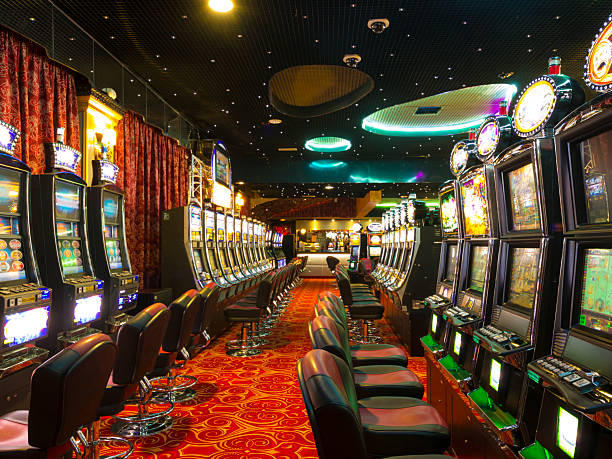
Exploring Online Casino Trends and Their Architectural Implications
The rise of online casinos has revolutionized the gaming landscape, prompting traditional casinos to reconsider their architectural designs. While brick-and-mortar establishments focus on immersive experiences, the online realm emphasizes convenience and accessibility. As a result, many physical casinos are now incorporating digital elements that enhance the in-person experience while maintaining competitive relevance against online platforms. For instance, integrating virtual reality (VR) zones allows guests to experience a blend of both worlds.
Moreover, casinos are increasingly adopting a hybrid model that combines physical and online gaming options, appealing to a broader audience. By creating designated areas for online gaming and including tech-savvy features, casinos can cater to players who prefer the online gaming experience while still offering the ambiance of a traditional casino. This architectural shift ensures that casinos remain attractive to both in-person and digital patrons.
As the online gaming industry continues to grow, casinos must also consider how to leverage this trend in their designs. Offering interactive spaces where guests can engage in both live and digital gaming options will be crucial in the future. Additionally, the emphasis on fast payment options, seamless navigation, and high-quality customer support will dictate architectural layouts, ensuring that they align with the expectations of today’s players. By staying attuned to online trends, casinos can design spaces that continue to captivate and entertain.